
PCB Board Manufacturers
PCBs are used in a variety of electronic devices, and are a vital component for the operation of many products. However, the manufacturing of PCBs involves numerous processes that can have a negative impact on the environment if not handled correctly. From etching solutions and solvents to metal waste, the manufacturing of PCBs produces a significant amount of hazardous materials that may contaminate water resources if not treated properly. Additionally, the manufacturing of PCBs produces e-waste and other byproducts that contribute to toxic landfills. These materials can also pose health and safety risks for employees if not properly managed. Fortunately, several environmental considerations can be mitigated by adopting green manufacturing processes.
The PCB fabrication process requires the use of many chemicals, such as photosensitive and organic substances in plate making and etching, along with silver and other metallic compounds in printing and encapsulating solutions. Exposure to these substances can cause a variety of health issues, including respiratory problems and certain types of cancer. This is why it’s important for pcb board manufacturers to implement clean production practices and ensure that workers have access to adequate ventilation and other safety measures.
Besides exposing front-line workers to hazardous substances, PCB manufacturing generates a substantial amount of waste in the form of chemical and metal scrap, etching solution, and wastewater. This wastewater is often discharged into the surrounding environment, causing environmental damage and contaminating soil and water sources. Additionally, discarded PCBs become part of the growing e-waste stream that contains harmful substances like lead, mercury, and cadmium. Despite these impacts, the PCB industry has made strides toward sustainability in recent years, with some manufacturers employing lean manufacturing principles and implementing recycling technologies to minimize waste generation.
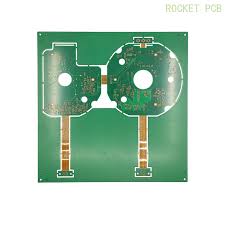
Environmental Considerations for PCB Board Manufacturers
Water consumption in the manufacture of PCBs is a major concern, with 1.5 cubic meters of fresh water required to produce a single iPhone-sized PCB. This high water usage is due to the many processes that require water, including electroplating and soldering. However, a number of technologies have been developed to reduce this footprint, including reducing energy consumption and implementing wastewater treatment systems.
Another way to reduce environmental impact is by utilizing energy-efficient machines and employing low-temperature soldering methods. This also helps to prevent the buildup of static electricity, which can affect device performance and cause damage to components. In addition, implementing anti-static equipment and recording temperature and humidity data in work areas can help to ensure that the correct working conditions are maintained throughout the manufacturing process.
Finally, ensuring that all unused materials are properly stored and labeled can also reduce the risk of contamination and potential harm to the environment. To further minimize environmental impact, a good PCB manufacturer will adhere to RoHS, REACH, and other regulatory standards. These requirements are a sign that a company is committed to sustainable practices. It is also a good idea to choose a manufacturer that provides RoHS and REACH compliance information on their website. This will help customers make informed decisions about which PCBs to purchase and where they should be sourced from.

