Flexible Printed Circuit Manufacturers Stand Out
Flexible printed circuit manufacturers are a critical component of sleek, sophisticated electronic devices. These versatile circuits crafted from malleable plastic substrates allow for more innovative and dynamic design options than rigid PCBs. Whether used in mobile gadgets or advanced medical equipment, flexible circuits are pivotal for the functionality of these sleek products. The right flex PCBs are made of high-quality materials and follow strict rules, regulations, and standards to ensure long-lasting reliability and efficiency. This post delves into the key qualities that distinguish the best flex PCB manufacturers.
Creating a flexible printed circuit manufacturers requires a complex and intricate process. It involves a careful choice of materials, detailed circuit patterning, and meticulous assembly. The process also involves a series of tests and inspections to ensure that the end product is flawless and meets all specifications. Fortunately, the right flex PCB manufacturing company can streamline this process and reduce your production time.
The right flex circuit manufacturers strictly adhere to and follow UL, ISO, and IPC rules to ensure that the boards they produce meet stringent quality and safety standards. In addition, they have the latest technology to help them deliver a top-notch product. For example, the best flex circuit manufacturers use DuPont Pyralux laminates, which provide exceptional performance and durability. This material has been tested to the highest industry standards for over four decades and is backed by a strong performance guarantee.
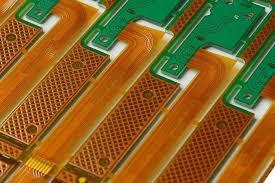
Qualities That Make Flexible Printed Circuit Manufacturers Stand Out
As the electronics industry evolves, so do the demands of consumers. A successful project requires a dedicated partner that can anticipate and address consumer needs. This is why you need a flex PCB manufacturer who prioritizes customization. A good flex PCB manufacturer should offer a wide range of customization options to suit the unique requirements of each client. This allows them to meet the demands of a diverse market without sacrificing product quality or innovation.
The most important feature that distinguishes a flex circuit board from other types of electronic circuits is its flexibility. This is achieved by using malleable materials such as polyimide or polyester. These materials are paired with conductive copper foil and fortified with adhesives, protective overlays, and stiffening materials to buttress the connection zones of the flexible circuit. Moreover, the flex circuit is reinforced with etching and electroplating to create a robust electrical path and ensure its longevity.
A flex PCB can be either single-sided or double-sided depending on the number of conductor layers. Single-sided flexible circuits have conductive patterns on one side of the insulating base film while double-sided circuits have etched models on both sides of the insulating base film. These models are then connected by metalized holes. Afterward, the insulating base film and copper layers are coated with an adhesive to protect them from mechanical stress.
After undergoing various rigorous testing and inspections, a flex PCB is ready for the final assembly. As with rigid PCBs, the flex circuit undergoes automated optical inspection to verify that all components are properly placed and correctly aligned. Additionally, X-ray inspections can detect issues such as solder shorting and solder balling.