Technical Support Does a Flex PCB Manufacturer Offer
The right rigid flex PCB manufacturer will have a solid track record, expertise in the technology and experience producing boards for various industries. In addition to meeting your specifications and delivering high-quality products, they should also offer a variety of services that can make your project easier and more cost-efficient.
One important factor to consider is the manufacturer’s quality control process. Look for a supplier that has rigorous production certifications and follows industry standards such as ISO 9001. You should also ask for references to learn about the manufacturer’s reputation and reliability, as well as their ability to meet delivery schedules.
Another question to ask is where their flex circuit board manufacturers actually produce the product. While many manufacturers claim to be flex manufacturers, only a few companies do the actual manufacturing. This is because it’s difficult to produce a high-quality product without the proper equipment and expertise. Therefore, it’s important to choose a manufacturer that has the necessary equipment and is capable of producing rigid and flex circuit boards in low volumes.
What Technical Support Does a Flex PCB Manufacturer Offer?
Rigid flex pcb manufacturer are used in many applications, including aerospace and defense. They’re lightweight and can conform to complex shapes, making them an excellent choice for avionics, satellites and missile systems. In the medical industry, they’re used in diagnostic equipment and implantable devices to provide reliable performance under harsh conditions.
In the electronics industry, flex circuits are used in consumer electronic devices. They’re often smaller than traditional PCBs and allow for the integration of multiple components in a compact, portable package. They’re also used in automotive and industrial electronic systems, as they can withstand vibrations and temperature fluctuations.
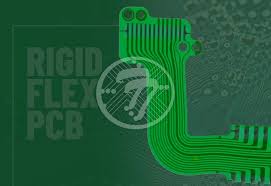
A flex circuit is made up of several plastic layers, typically polyimide film or FR-4 material (and in some cases, fluorocarbon and aramid films). They’re connected using solder mask and silkscreen and may include features like plated-edge terminals and a hot bar solder connection. Depending on the application, the layer count and density, and special features, like flex-rigid parts, the board thickness will vary.
Besides evaluating the manufacturer’s technical capabilities, you should also pay attention to pricing and lead times, as they are important factors in choosing a manufacturing partner. A good manufacturer will be able to meet your requirements within budget and time constraints, so it’s essential to do the due diligence to find the best fit.
As the demand for smaller, lighter, and more powerful electronic devices continues to grow, Flex PCB manufacturers are at the forefront of technological innovation. They are constantly developing new materials and manufacturing techniques to meet the evolving needs of the market.
In addition, it’s a good idea to visit the manufacturer’s factory and evaluate their production capability. Take a tour of the facility and observe the manufacturing processes, quality systems, and testing equipment. You can also ask for samples of their products and talk to existing customers. This will help you make a well-informed decision and ensure that your project is successful.