process of assembling a electronic assembly near me
The process of assembling an electronic assembly near you involves a series of intricate steps and meticulous attention to detail to transform individual electronic components into functional devices. Whether it’s a consumer gadget, industrial equipment, or medical device, the assembly process is guided by standardized procedures and quality control measures to ensure reliability, performance, and compliance with industry standards.
The first step in the assembly process is procurement, where all the necessary electronic assembly near me and materials are sourced from suppliers. This includes passive components such as resistors and capacitors, active components such as integrated circuits and microcontrollers, as well as connectors, switches, and other hardware. The procurement process involves careful evaluation of suppliers, negotiation of contracts, and quality assurance to ensure that the components meet the required specifications and standards.
Once the components are procured, the next step is PCB fabrication, where the layout of components is translated into physical circuit boards. This involves printing the circuit traces onto a substrate, typically made of fiberglass-reinforced epoxy resin, and etching away the excess copper to create the desired circuit pattern. Advanced PCB fabrication techniques such as multilayer boards, impedance control, and blind and buried vias may be employed to meet the specific requirements of the electronic assembly.
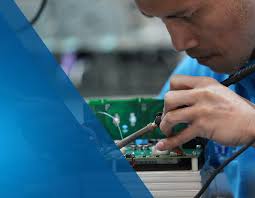
What is the process of assembling a electronic assembly near me?
With the PCBs fabricated, the next step is component placement, where the electronic components are mounted onto the PCB according to the layout specified in the design files. This process may be performed manually by skilled technicians using pick-and-place machines or automated assembly equipment that can place components with high precision and efficiency. Components are placed onto the PCB one at a time, with careful attention to orientation, alignment, and solderability.
Once all the components are placed on the PCB, the next step is soldering, where the components are permanently attached to the board using solder. This can be done using techniques such as wave soldering, reflow soldering, or hand soldering, depending on the type of components and the requirements of the assembly. Soldering ensures electrical connections between the components and the PCB, as well as mechanical stability and thermal dissipation.
After soldering, the assembled PCB undergoes inspection and testing to ensure that it meets the required quality standards and specifications. This may involve visual inspection, automated optical inspection (AOI), or X-ray inspection to detect defects such as solder bridges, misaligned components, or missing components. Functional testing may also be performed to verify the performance and functionality of the assembly under various operating conditions.
Once the assembly passes inspection and testing, it undergoes final assembly, where additional components such as connectors, cables, and enclosures are added to complete the device. This may involve mechanical assembly, wiring, and integration of subassemblies to ensure that the final product meets the desired form factor, functionality, and aesthetics. Final inspection and testing are performed to validate the integrity and reliability of the finished product before it is packaged and shipped to customers.
In conclusion, the process of assembling an electronic assembly near you is a complex and highly structured process that involves multiple steps and rigorous quality control measures. From procurement and PCB fabrication to component placement, soldering, inspection, and final assembly, each step plays a critical role in transforming individual components into functional electronic devices. By adhering to standardized procedures and quality standards, manufacturers can ensure the reliability, performance, and compliance of electronic assemblies with industry requirements, thereby meeting the diverse needs of customers across various industries and applications.