Quick Turn PCB Assembly Address Environmental Concerns
The PCB assembly industry is undergoing a transformative shift driven by cutting-edge technologies. These advancements are dramatically boosting speed, precision, and efficiency, setting new industry benchmarks. For example, AI-powered Design Rule Checking (DRC) systems improve PCB design by detecting potential flaws with unparalleled accuracy and speed. In addition, ML algorithms optimize manufacturing parameters in real-time to maintain quality control throughout the production process. This allows manufacturers to deliver high-quality products despite the accelerated timelines of quick turn PCB production.
However, the accelerated timelines of quick turn PCBs can increase the risk of errors and put pressure on teams to bypass critical quality checks. Therefore, it is essential to ensure that quality control processes are firmly established and adhered to, even with expedited orders. This includes adhering to ISO and IPC standards, ensuring RoHS compliance, and utilizing advanced circuit board assembly techniques.
To address these issues, manufacturers should be transparent about the limitations of quick turn PCBs and help their customers understand the trade-offs associated with shorter turnaround times. They should also offer a cost-benefit analysis of the financial impacts versus traditional timelines. This will help customers to make informed purchasing decisions.
One way to reduce the environmental impact of quick turn PCBs is by avoiding unnecessary materials and components. By doing so, manufacturers can minimize the amount of toxic chemicals used during the assembling and soldering processes. For example, they can use eco-friendly cleaning and fluxes that are less harmful to the environment and human health. Moreover, they can minimize the number of holes in the boards by placing them strategically. This will reduce the amount of manual soldering required, which is a significant contributor to assembly time and waste.
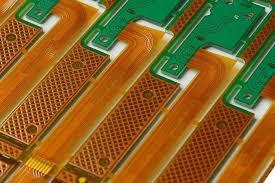
How Does Quick Turn PCB Assembly Address Environmental Concerns?
Additionally, they should optimize the quick turn pcb assembly design to allow for quicker assembly and testing. This can be done by eliminating non-functional features, such as buried and blind vias. It is important to also consider the positioning of components and silkscreen markings. For example, through-hole components should not overlap with surface-mounted components to avoid rework and scrap. Finally, the use of DFM principles should be implemented during the design stage to achieve a better first-pass yield and lower test costs.
Another important consideration is the type of equipment used for the assembly process. Modern types of equipment, such as advanced pick-and-place machines and flying probe testers, significantly reduce the assembly time by automating and streamlining the process. These systems are also able to inspect the components for electrical defects and conformance to standards, which further reduces inspection time.
The final step of quick turn PCB production is rigorous testing to ensure that the finished product meets all necessary requirements. This step can be especially time-consuming if the resulting boards are complex. It is therefore important to ensure that all components and features are thoroughly tested, especially if the board is intended for high-reliability applications.
In addition, manufacturers should work with their customers to determine the best batch size for their project. This will help to balance the cost of fast production with the need for a high-quality product.