hdi printed circuit board be recycled
As society continues to embrace technological advancements, the proliferation of electronic devices has led to a corresponding increase in electronic waste (e-waste). Printed circuit boards (PCBs), integral components of electronic devices, pose significant challenges in terms of disposal and recycling due to their complex composition and material diversity. Among these PCB types, High-Density Interconnect (HDI) PCBs, renowned for their compact size and high performance, present unique considerations regarding recyclability.
HDI PCBs are engineered to pack more functionality into smaller form factors, making them prevalent in a wide range of electronic devices, from smartphones and tablets to medical equipment and automotive systems. However, the intricate design and specialized materials used in HDI PCBs can complicate the recycling process compared to traditional PCBs. While traditional PCBs primarily consist of fiberglass epoxy resin and copper, HDI PCBs incorporate additional layers, fine-pitch components, and advanced interconnection technologies, introducing challenges in material separation and recovery.
One of the primary hurdles in recycling hdi printed circuit board lies in the separation of materials to extract valuable resources such as copper, gold, silver, and palladium. Unlike traditional PCBs, where components and solder joints can be easily disassembled and separated, HDI PCBs feature densely packed components and intricate interconnections, making manual disassembly labor-intensive and cost-prohibitive. Automated recycling processes must contend with the complexities of separating multilayer boards, fine-pitch components, and embedded technologies such as microvias and buried vias.
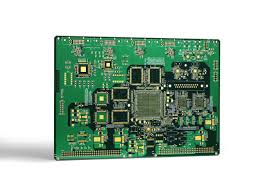
Can hdi printed circuit board be recycled?
Moreover, the presence of hazardous materials and substances in HDI PCBs, including lead-based solders, brominated flame retardants, and other toxic compounds, adds further complexity to the recycling process. Proper handling and disposal of these hazardous materials are essential to prevent environmental contamination and ensure worker safety during recycling operations. Advanced recycling technologies and stringent environmental regulations are necessary to address these challenges and minimize the environmental impact of recycling HDI PCBs.
Despite these challenges, ongoing research and development efforts are underway to improve the recyclability of HDI PCBs and enhance resource recovery rates. Innovations in automated disassembly techniques, such as robotic dismantling and laser-based separation methods, show promise in overcoming the challenges associated with disassembling complex PCB assemblies. Additionally, advancements in material identification and sorting technologies enable more efficient segregation of materials, facilitating higher recovery yields and reducing waste.
Furthermore, the concept of circular economy principles emphasizes the importance of designing products for recyclability and resource recovery from the outset. Design for Recycling (DfR) strategies, such as standardizing component sizes, minimizing the use of hazardous materials, and utilizing removable connectors instead of soldered joints, can simplify the disassembly and recycling of HDI PCBs. By incorporating DfR principles into the design phase, manufacturers can streamline the recycling process and improve the sustainability of electronic products.
In conclusion, while High-Density Interconnect (HDI) printed circuit boards (PCBs) present challenges in terms of recyclability due to their complex composition and specialized materials, ongoing research and development efforts are advancing recycling technologies and practices. By addressing issues such as material separation, hazardous substance management, and design for recyclability, the recycling industry can unlock the potential for higher resource recovery rates and reduced environmental impact. As the demand for electronic devices continues to grow, sustainable approaches to recycling HDI PCBs are essential to mitigate e-waste accumulation and promote a circular economy for electronics.