FPC Circuit Board Be Repaired If a Component Fails
We use FPC Flexible Printed Circuit Boards in a variety of products and fields because of their flexibility, light weight, durability and ease of customization. They are a good fit for electronic devices with small footprints that need to connect the output of multiple components like a battery, power source, microprocessor, display and buttons. These connections are not possible with the terminals of standard electrical connectors. FPCs are made by printing electronic ink onto a flexible material and then etching away portions of the surface to create circuitry. They are also durable enough to withstand bending, folding, rolling and other physical abuse.
The most common cause of a failed fpc circuit board is physical damage. A scratch in the laminate layer or a misplaced solder can expose copper connections and disrupt electrical flow. In these cases, it may be necessary to resolder or replace the damaged component. This can be a complex process that requires an expert to handle correctly.
Other causes of a failed fpc circuit board include component failure and trace disconnection. Individual components like resistors, capacitors and diodes can fail due to overheating or aging. These types of problems are typically not related to the structure of the board itself, but rather the function of a particular component. In these instances, it is important to carefully examine the faulty component to determine what the issue is and how to repair it.
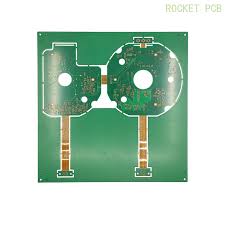
Can an FPC Circuit Board Be Repaired If a Component Fails?
Trace pathways, made of silver and copper, can also experience damage. These are the “wires” of a circuit board, and if they are damaged, then it will not be possible to conduct electricity throughout the board. Trace damage can be caused by several factors, including aging, severe power surges or shorts, metallic dust contamination, and even overheating. These issues can be difficult to diagnose, as the trace pathways are generally quite thin and often obscured by other components.
Once you’ve excluded physical damage, soldering and components, the most likely reason for a failure of a fpc circuit board is that it has a defective design or circuitry. This is usually the most difficult to fix, and it can be expensive. However, this type of problem can be avoided by paying close attention to the design, manufacturing, storage and usage of a flexible printed circuit board.
The best way to tell if a fpc is defective is to use a multimeter and test all the inputs and outputs of the entire circuit. This will help you identify the problem area. Once you’ve located the problem, you can either resolder or replace the faulty part and test again. By doing this, you’ll be able to find the root of the problem and get your fpc working again.