flexible PCBs be used in consumer electronics
Printed circuit boards (PCBs) are used in electronic devices to connect the components. The PCBs are made from different materials and can have multiple layers. Depending on the needs of a particular device, the PCBs can be rigid or flexible. The use of flex PCBs allows for smaller and more compact devices. It also increases the reliability of the product. However, the use of flex PCBs can cause problems if the design is not correctly implemented. Therefore, it is crucial to consider the advantages and disadvantages of flex PCBs before making a decision to implement them in your device.
The first thing to note about a flexible pcb is that it can be multilayer, just like any other rigid PCB. It is important to choose the right materials to ensure that the flex PCB can stand up to the demands of your application. The most common choice of material for a flex PCB is polyimide, which is very flexible and tough. It can withstand a significant amount of bending and is tolerant to temperature changes. This makes it suitable for products that will be exposed to harsh environments.
Another key consideration when choosing a flexible pcb is the copper foil used to conduct electricity. This is classified as either ED or rolled and annealed (RA). The difference lies in the crystal shape of the copper. ED copper features a columnar structure, which makes it easy to process through roughening and etching. However, it can be prone to work hardening and fatigue, especially if the copper is subjected to repeated bending. Rolled and annealed copper is much more resilient against these conditions, and it can be molded to the desired shape without causing cracks or failures.
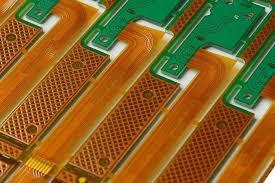
Can flexible PCBs be used in consumer electronics?
In addition to these factors, you will want to make sure that your flex PCB is designed by a qualified engineer. This will ensure that your design meets the manufacturing requirements and can be produced in a cost-effective manner. A good place to start is with a manufacturer calculator, which will give you a detailed breakdown of the costs for your specific project. This will help you decide whether a flex PCB is the best option for your device.
As the demand for flexible PCBs continues to grow, so does the need to address the environmental impact of their production and disposal. The electronics industry has long been associated with significant environmental challenges, including the generation of electronic waste (e-waste) and the use of hazardous materials in manufacturing processes. To mitigate these issues, manufacturers are increasingly focusing on developing more sustainable practices and materials for flexible PCB production.
While a flexible PCB can be more expensive than a rigid one, it offers many benefits that can save time and money in the long run. These include better durability in dynamic environments, fewer connectors, and reduced overall product weight. In addition, they can be made in almost any shape and size, which is beneficial for products that require tight packaging and a compact footprint. Additionally, they can allow you to add new functionality to your device by eliminating external wire harnesses and providing a more seamless connection between the components. Lastly, they can offer improved performance in high frequency applications.